

Commercial Photography in Zanzibar: Beyond Beautiful Interiors
Commercial photography is often misunderstood. Many people think it is about making a place look expensive. In reality, good commercial photography is about making people feel something before they even arrive.
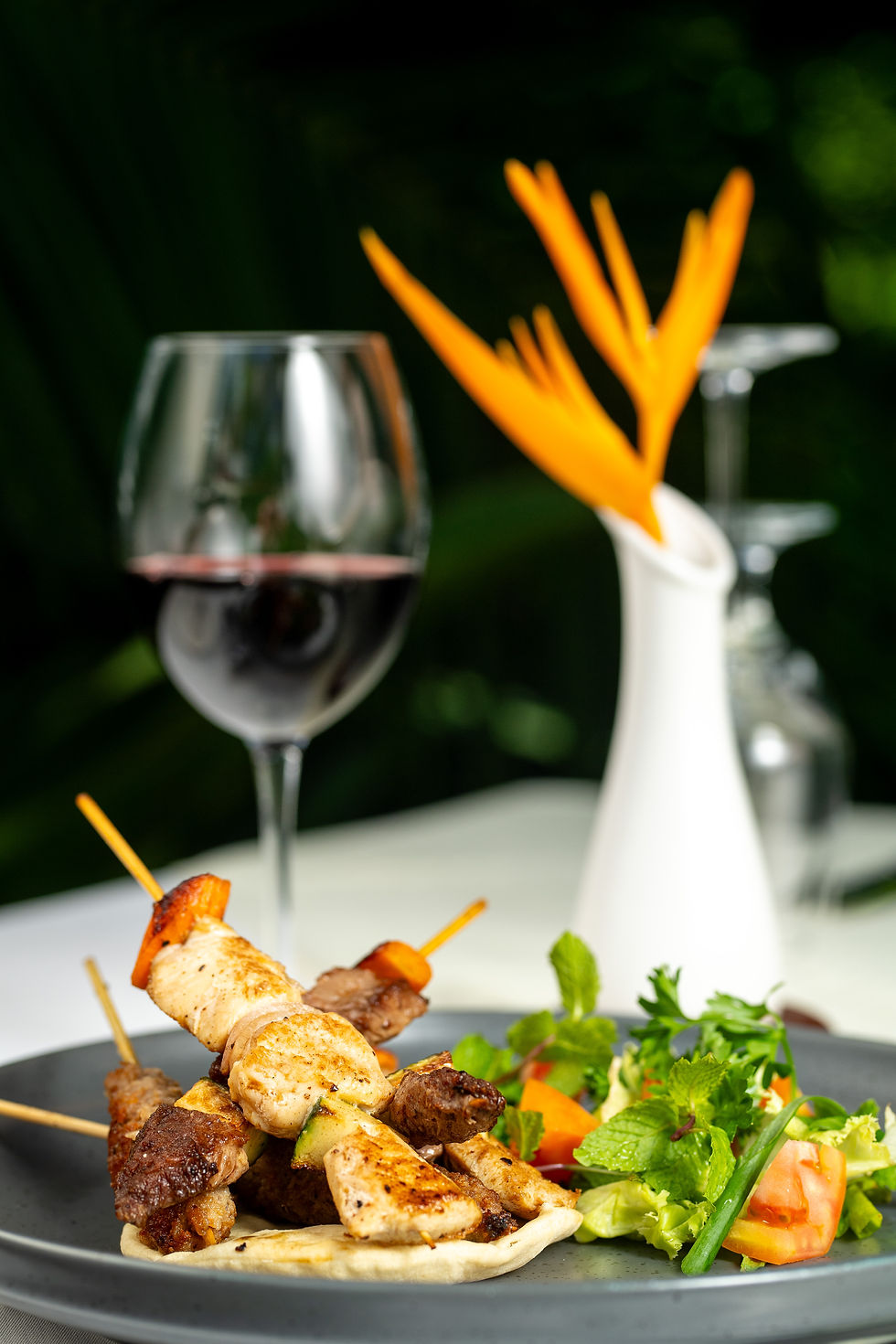
For the past years, I have been working with hotels, brands, architects, restaurants and tourism companies across Zanzibar and East Africa. My work moves between hospitality, lifestyle, interiors, food, documentary and aerial photography. What connects all of it is storytelling.
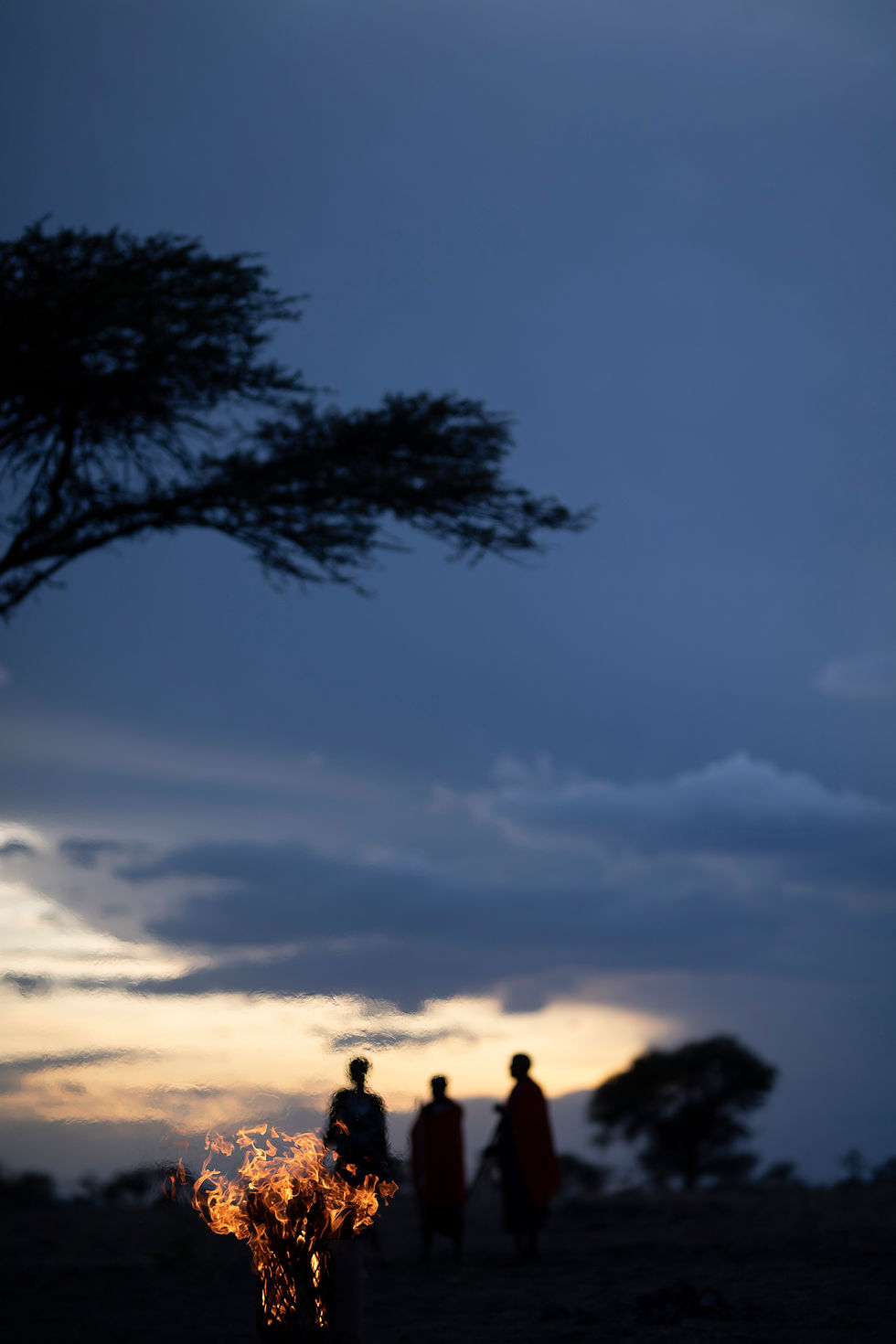
A luxury hotel is not only walls, furniture and a swimming pool. It is morning light entering a room. Staff preparing breakfast before sunrise. The silence before guests wake up. Humidity hanging over palm trees after rain. These details matter because they create atmosphere, and atmosphere is what people remember.
Coming from a documentary and photojournalistic background, I approach commercial work differently than many traditional advertising photographers. I do not try to over-polish reality until it becomes sterile. I try to preserve character. I want places to feel alive, human and believable.
Living in Zanzibar for nearly a decade has also shaped the way I work. I understand the light here, the pace of life, the weather patterns and the cultural nuances that influence visual storytelling in East Africa. Whether I photograph a boutique hotel, a skincare brand, a remote lodge or a motorcycle expedition, my goal stays the same: create images that feel honest while still carrying a strong visual identity.
Over the years, my work has included collaborations with international brands, hotels, NGOs and publications, including National Geographic assignments and commercial campaigns throughout Africa.
Today, commercial photography is no longer only about brochures or websites. Images need to work across multiple platforms at once. Websites, Instagram, print campaigns, drone footage, reels and brand storytelling all blend together. That is why I often approach projects holistically, creating visual ecosystems instead of isolated photographs.
The strongest commercial imagery usually comes from something very simple: observation. Understanding people, space, movement and emotion. The camera is only a tool.
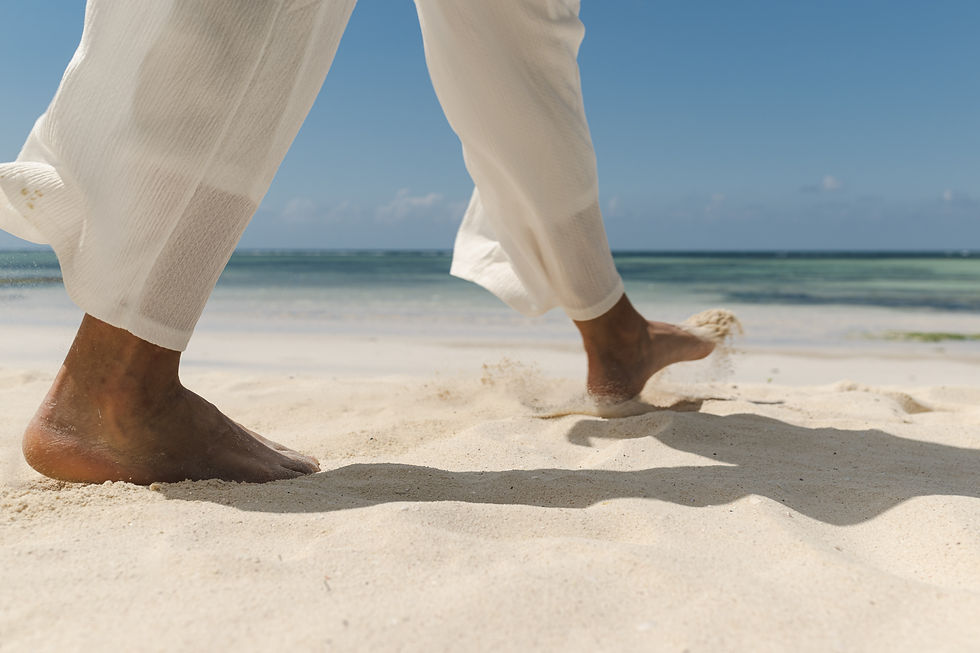
And in places like Zanzibar, where light changes everything within minutes, observation matters more than ever.

Comments